Partners

University of Sheffield, the United Kingdom
Principal investigator (consortium)
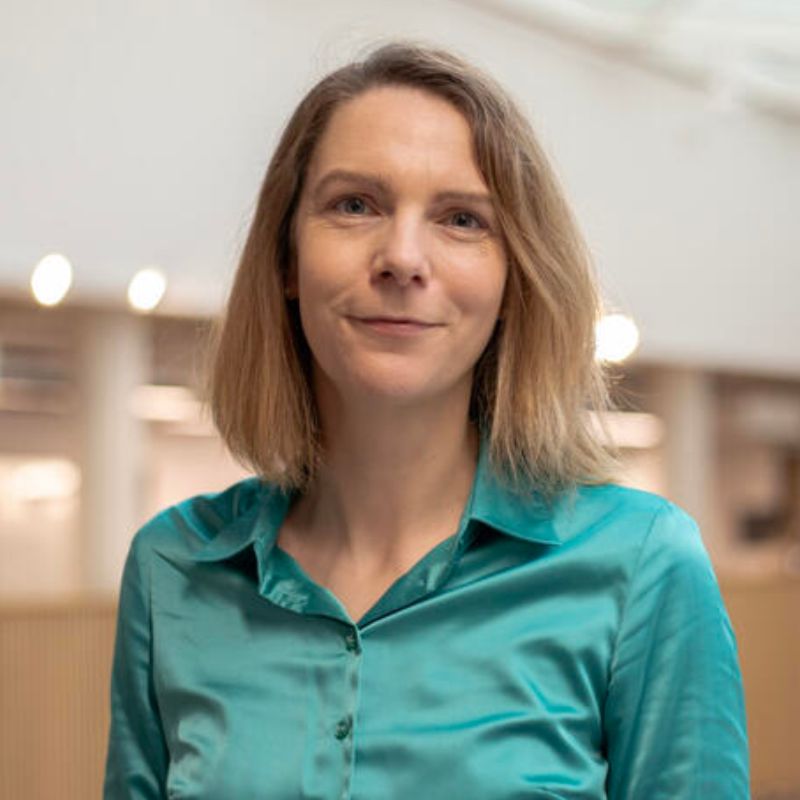
Professor Katharine Dommett
Professor Katharine Dommett is Professor of Digital Politics at the University of Sheffield and one of the UK’s leading experts in political communication, data-driven campaigning, and democratic innovation. As Lead Principal Investigator of the PODtrust project, she oversees its comparative research strategy, international coordination, and engagement with policymakers, civil society, and academic communities.
Prof. Dommett’s research examines the role of political parties, digital technologies, and online campaigning in shaping trust and democratic engagement. Her work has been published widely in top journals and books, including The Reimagined Party (Manchester University Press) and Data-Driven Campaigning in Political Parties (Oxford University Press). Her scholarship combines qualitative and quantitative methods with a strong emphasis on public impact and regulation, particularly around political transparency, platform accountability, and data ethics.
She has served as Special Advisor to the House of Lords Democracy and Digital Technologies Committee, and is a member of the British Academy’s Public Policy Committee, the DCMS College of Experts, and the European Digital Media Observatory (EDMO) working group on data access. Her research has directly informed the work of the UK Electoral Commission and international organizations such as International IDEA.
Prof. Dommett is also the founder of the Technology, Internet and Policy (TIP) Network, a 300-member global initiative connecting researchers and practitioners working at the intersection of technology and democracy. She has led numerous UKRI and NORFACE-funded projects and is recognized for her commitment to mentoring, cohort building, and inclusive team development.
In PODtrust, she brings unparalleled expertise in designing research on political trust in digital environments and ensures that the project generates actionable, policy-relevant insights to support more inclusive and trustworthy democratic communication across Europe and North America.
Principal investigator for the UK
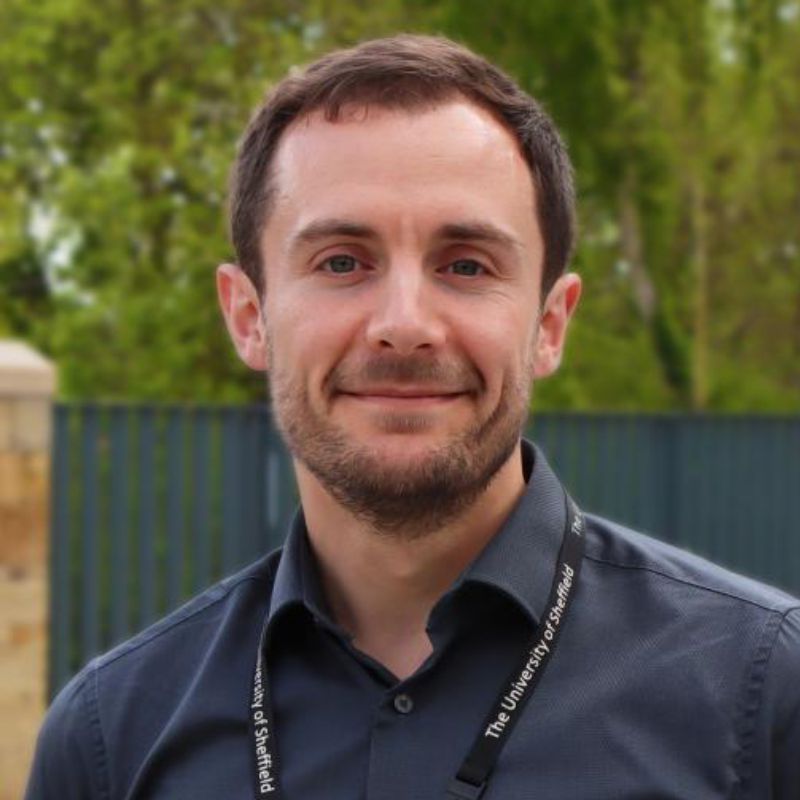
Professor James Weinberg
Professor James Weinberg is a Senior Lecturer (Associate Professor) in Political Science at the University of Sheffield where he is also Deputy Head of School for Sociological Studies, Politics and International Relations. Specializing in political psychology and democratic engagement, his research examines why and how citizens enter politics, what shapes their decision-making once elected, and how trust functions in representative democracies. He has particular expertise in political trust, elite behavior, personality traits, and civic education.
Prof. Weinberg holds a PhD in Politics from the University of Sheffield, along with degrees from the University of Oxford and the University of Manchester. His work has received several accolades, including the Richard Rose Prize for Outstanding Contributions to Advancing Knowledge (UK Political Studies Association) and the University of Sheffield’s Chancellor’s Medal for ‘impressive achievements in government and parliamentary circles’. His research has been published in leading journals such as the British Journal of Political Science, and funded by the ESRC, Leverhulme Trust, and Joseph Rowntree Reform Trust.
Named by the Apolitical Foundation as one of 50 global researchers likely to shape 21st-century politics, Prof. Weinberg serves as a special advisor to the UK Parliament’s All-Party Parliamentary Group for Political Literacy and sits on advisory boards for international research initiatives. He is an Associate Editor for the Journal of Trust Research.
In the PODtrust project, Prof. Weinberg leads the design of experimental surveys, focusing on how various forms of digital contact between citizens and politicians — including AI-generated messages, influencer-mediated messages, and direct messaging over email and social media —affect political trust across different demographic groups. He also coordinates the implementation of field experiments with elected representatives, and leads project partnerships and stakeholder engagement. His work ensures that the project’s insights are not only theoretically grounded but also responsive to real-world political challenges, especially in low-trust societies.
Member
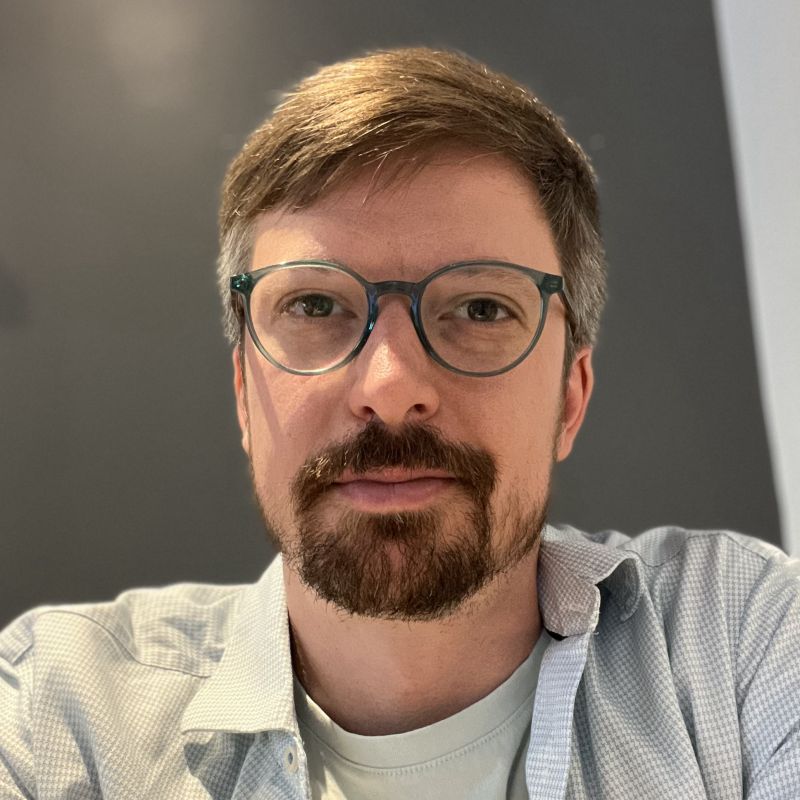
Dr Daniel G.B. Weissmann
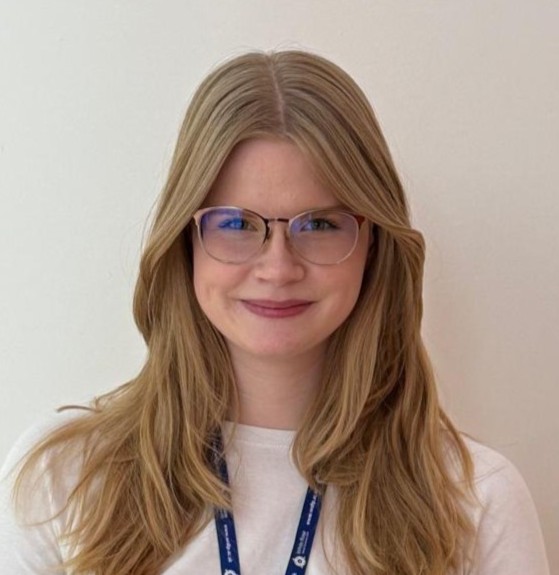
Hanna Scholten
Hanna Scholten is a doctoral researcher at the University of Sheffield in the field of political psychology, media and communication. She completed her undergraduate degree in International Relations and Social Sciences at the University of Erfurt, Germany. After moving to the UK in 2024, she joined Royal Holloway University of London, undertaking an MSc in Media, Power and Public Affairs. During this time her research focused on the intersection of populism and political communication on social media before beginning her PhD studies at the University of Sheffield in October 2025. Hanna’s doctoral research focuses on political trust and digital contact, examining how contact between citizens and politicians is perceived, and how it can be optimised to build political trust.

University of Ottawa, Canada
Principal investigator for Canada
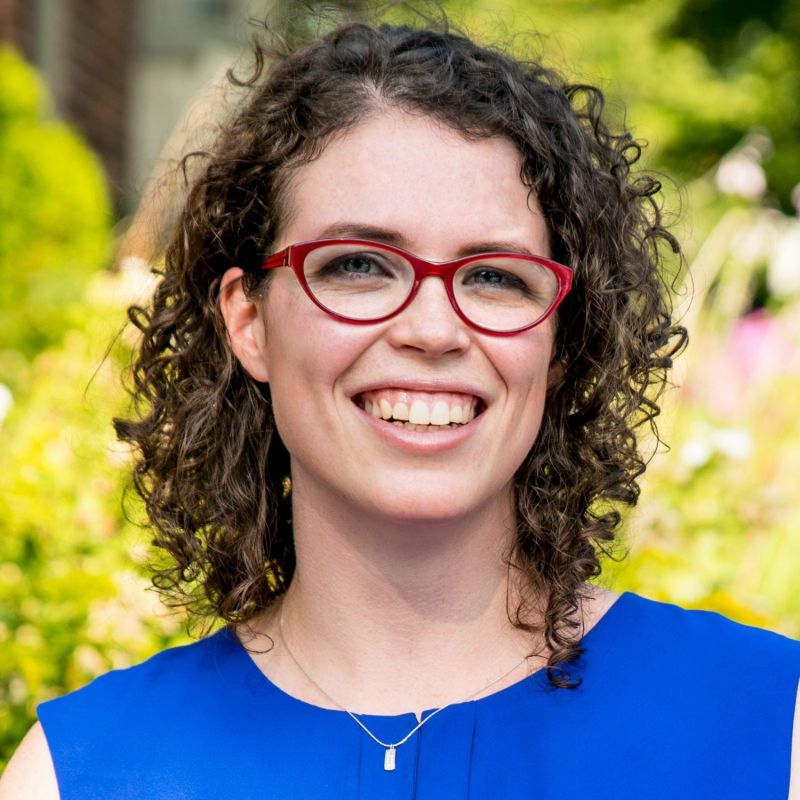
Professor Elizabeth Dubois
Professor Elizabeth Dubois is a leading scholar in political communication and digital democracy. Based in the Department of Communication at the University of Ottawa, she holds the University Research Chair in Politics, Communication and Technology and directs the Pol Comm Tech Lab, a research hub focused on the intersection of politics, media, and digital innovation.
Prof. Dubois’ research investigates how digital technologies—including AI, algorithms, and social media—shape political behavior, democratic engagement, and public trust. Her work has appeared in top journals such as Information, Communication & Society and American Behavioral Scientist, and she has co-authored major studies on computational propaganda, echo chambers, political bots, and online abuse. Her contributions have informed government policy, media regulation, and civic education, including expert testimony before Canada’s Parliament.
She has held prestigious fellowships at Harvard’s Berkman Klein Center and MIT Media Lab, and is affiliated with UNC Chapel Hill’s Center for Information, Technology and Public Life. In addition to her academic achievements, she actively collaborates with civil society organizations including CIVIX, the Samara Centre for Democracy, and Evidence for Democracy, helping translate research into practice.
Within PODtrust, Prof. Dubois leads the user experience diaries component and supports cross-national research on how diverse communities engage with digital political contact. Her interdisciplinary expertise, spanning political science, communication, computer science, and policy studies, ensures the project’s findings are both academically rigorous and publicly impactful.
Prof. Dubois is also a dedicated mentor and educator. Her lab fosters inclusive and equitable research environments, with a focus on training scholars from underrepresented backgrounds. Through her teaching, supervision, and outreach, she cultivates a new generation of researchers ready to tackle the democratic challenges of the digital age.
Member
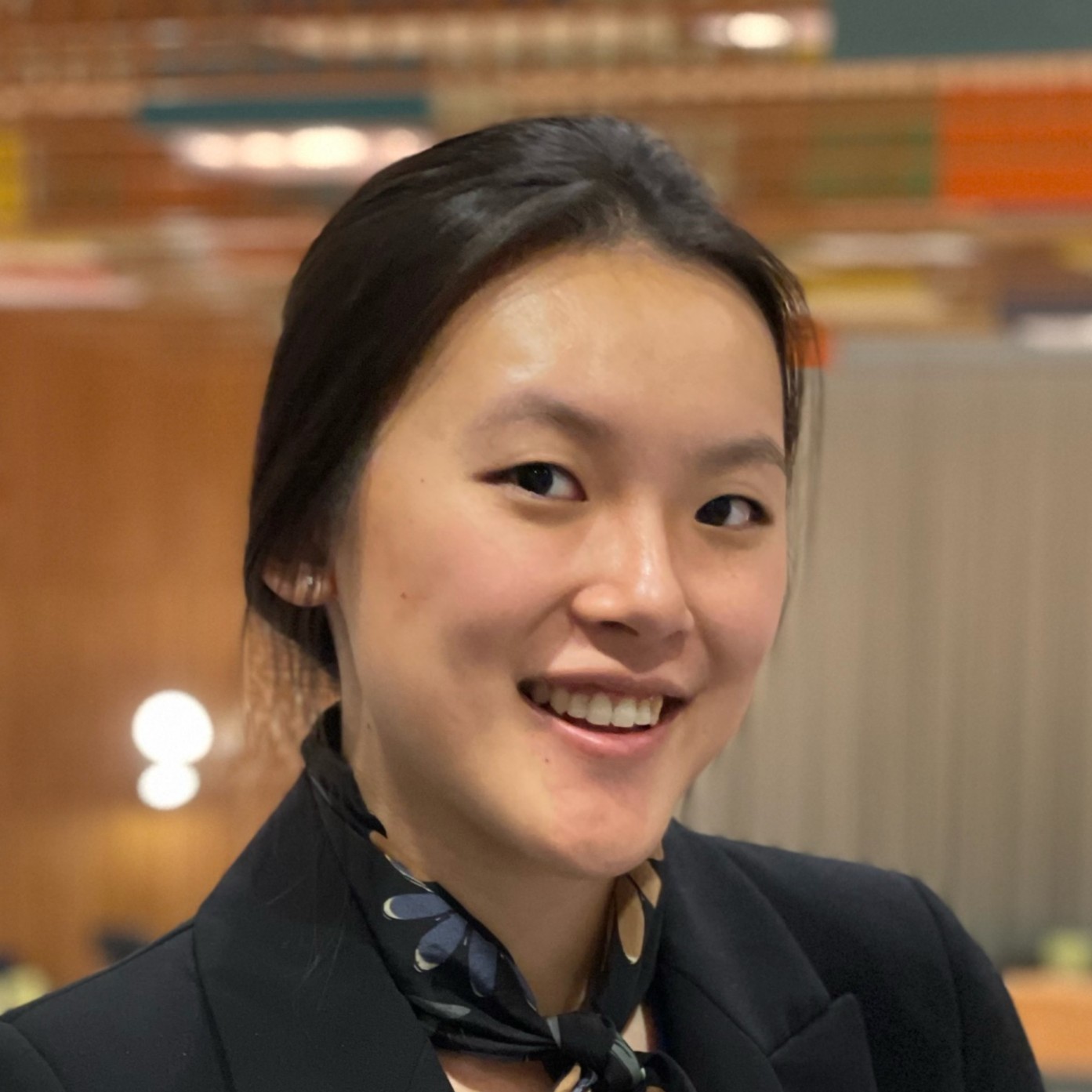
Esli Chan
Esli Chan is a senior research fellow at the Media Ecosystem Observatory and a PhD candidate in the Department of Political Science at McGill University. She is also a researcher part of the PolCommTech Research Lab at the University of Ottawa. Her research focuses on technology and media, right-wing politics, and gender. Her work has been published in Violence Against Women, International Studies Review, and other academic journals and news forums. Her ongoing work is supported by the Social Sciences and Humanities Research Council (SSHRC). She has previously worked for the Government of Canada in the field of national security and foreign relations and holds a MSc in Risk Analysis from King’s College London.
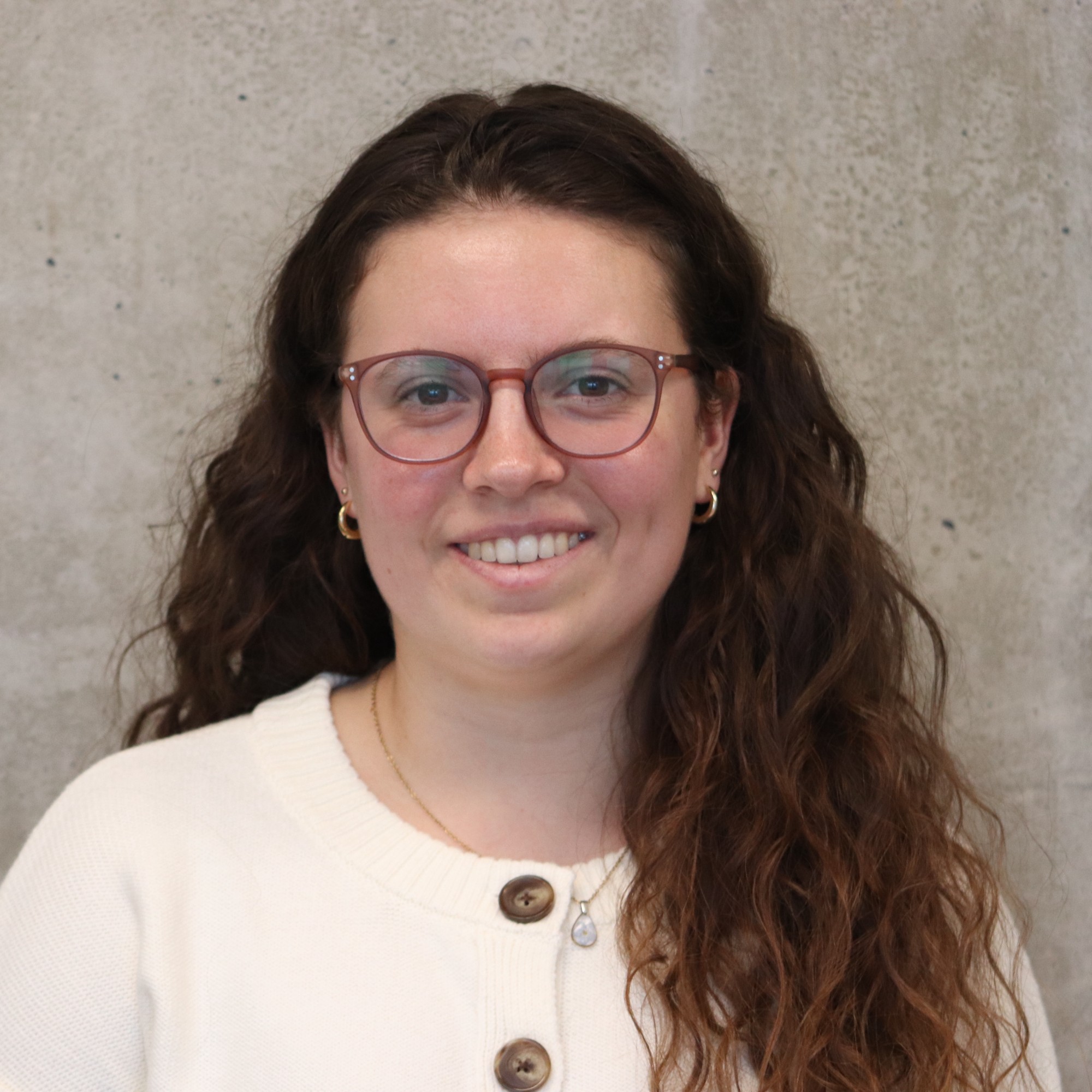
Sarah Pledge Dickson
Sarah Pledge Dickson (she/her/elle) is a PhD candidate at the University of Ottawa in Communications and Media Studies. She is a part of the Canadian research team and based in Ottawa, Canada, the unceded territory of the Algonquin Anishinaabe people. Her research focuses on mis- and disinformation in Canadian far-right digital media publications. A journalist by training, Sarah has worked for various local news outlets in Ontario and Quebec and is published in the Ottawa Citizen, The Equity and the Sherbrooke Record. She is also a fellow at the Canadian Institute for Far-Right Studies (CIFRS) and a research assistant in the PolCommTech Lab at the University of Ottawa.

Audencia Business School, France
Principal investigator for France
Professor Karolina Koc-Michalska
Professor Karolina Koc-Michalska is a leading scholar in political communication, specializing in digital campaigning, citizen engagement, and the dynamics of political trust. She holds professorial appointments at Audencia Business School (France) and the University of Silesia (Poland), and brings a dual expertise in both the strategic behavior of political actors and the democratic responses of citizens in the digital age.
Her research adopts a dual-track approach, studying both the “supply side” of political communication—how politicians and parties use digital platforms—and the “demand side,” including how citizens respond, engage, and form trust-based relationships through online media. She has published widely in top-tier journals such as Political Communication, New Media & Society, Information, Communication & Society, and West European Politics.
Prof. Koc-Michalska leads two major international research programs: Three Digital Eras, a longitudinal study of electoral campaigning in over a dozen countries, and Responsible Citizenship in Communication Perspective, which investigates personality, gender, and polarization in digital civic life. Her comparative expertise covers France, the UK, Poland, and the US.
She is deeply committed to research inclusivity and mentoring, having led teams in Horizon2020 and national projects, and edited special issues amplifying underrepresented scholarly voices, especially from Central and Eastern Europe. Her research and teaching have influenced political communication scholarship across linguistic and regional boundaries.
In PODtrust, she leads the comparative survey audit and contributes to the development of new theoretical models of digital political contact. Her expertise in methodology, cross-national analysis, and digital campaign strategy enriches the project’s ability to understand how trust is cultivated or undermined in diverse political contexts.
Co-investigator
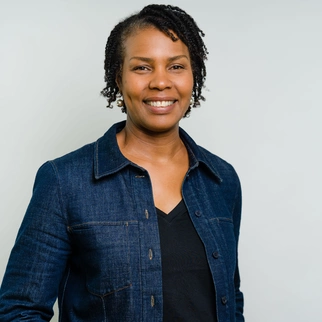
Dr Odile Vallée
Dr. Odile Vallée is Associate Professor at Audencia Business School and co-applicant in the PODtrust project. Her research spans issues of financial and social marginalization, focusing on how institutional and organizationnal communication—including digital strategies—can exclude or empower individuals and groups. She has contributed to interdisciplinary projects addressing inequalities in access to resources, services, and political participation.
Dr. Vallée specializes in qualitative and interview-based methods and brings a deep commitment to equity, diversity, and inclusion. Her previous work has emphasized the role of lived experience in shaping citizens’ perceptions of legitimacy and trust, particularly among socially or economically disadvantaged communities.
In PODtrust, Dr. Vallée co-leads the interview work package (WP1), overseeing the collection and analysis of in-depth interviews with political elites across Canada, France, Poland, and the UK. This research uncovers how politicians and officials understand and use digital tools to build—or damage—trust with citizens. Her contributions help ensure that the voices and perspectives of underrepresented communities are central to both the project’s methodology and its outcomes. She also plays a key role in advancing inclusive and reflexive research practices across the consortium.
Members
Dr Marie Moncada
Her first postdoctoral fellowship was at Sciences Po Paris within the BRIDGES project, under the supervision of Virginie Guiraudon and Hélène Thiollet. There she examined how narratives about Muslims and migrants gain traction in the French public sphere, particularly through media influence on political responses to terrorism, the Islamic veil, asylum seekers, and irregular migration. In addition, she has taught political science at the University of Montpellier and the University of Paris 13.

Dr Max-Valentin Robert
Following his doctorate, he worked as a Temporary Lecturer and Research Assistant (ATER) at Sciences Po Grenoble and collaborated with the ERC-funded PRIME Youth Project at Istanbul Bilgi University. In 2022–2023, he was a research fellow at the University of Nottingham (School of Politics and International Relations), contributing to the Digital Society Project. Since 2023, he has been a postdoctoral researcher at ESPOL (Catholic University of Lille), where he participates in the Horizon Europe project ACTEU – Activating European citizens’ trust in times of crises and polarisation.

University of Silesia in Katowice, Poland
Principal investigator for Poland
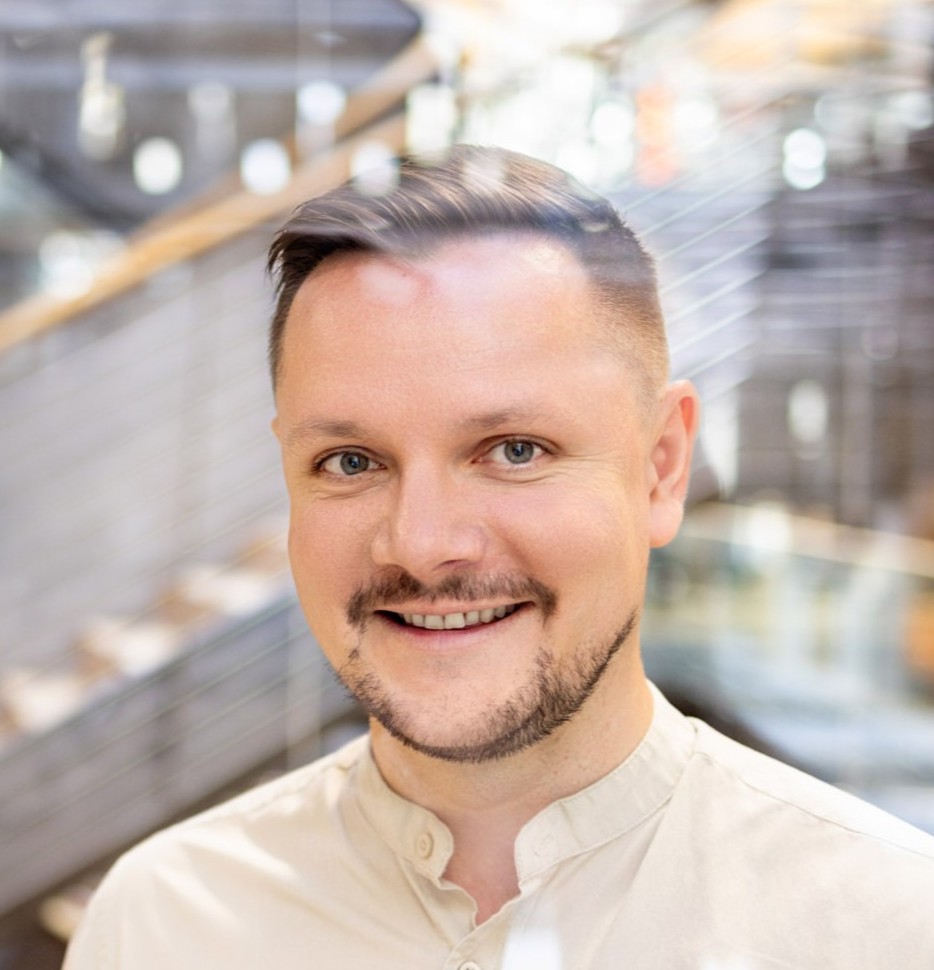
Professor Damian Guzek
Prof. Guzek holds doctoral and postdoctoral qualifications in political science and communication, including a habilitation from the University of Warsaw. His work bridges political science, theology, and media studies, and his mixed-methods approach has influenced scholarship on religion, digital media, and democratic legitimacy in Central and Eastern Europe.
He has led and contributed to several national and international research projects, including those funded by the Polish National Science Centre (NCN), Horizon 2020, and the UK’s ESRC. He founded the Cartography of New Media and Digital Sphere research team and has mentored early-career scholars to international publication success. His work has been recognized with national and international awards, including a scholarship from the Swedish Institute and a Ministerial Award for Outstanding Young Scholars in Poland (2020–2023).
Within PODtrust, Prof. Guzek co-leads qualitative research on political elites and digital trust in Poland. His expertise in political communication and media discourse contributes to the project’s cross-cultural depth and to its broader goal of understanding how digital contact affects democratic trust and inclusion across diverse societies.
Members
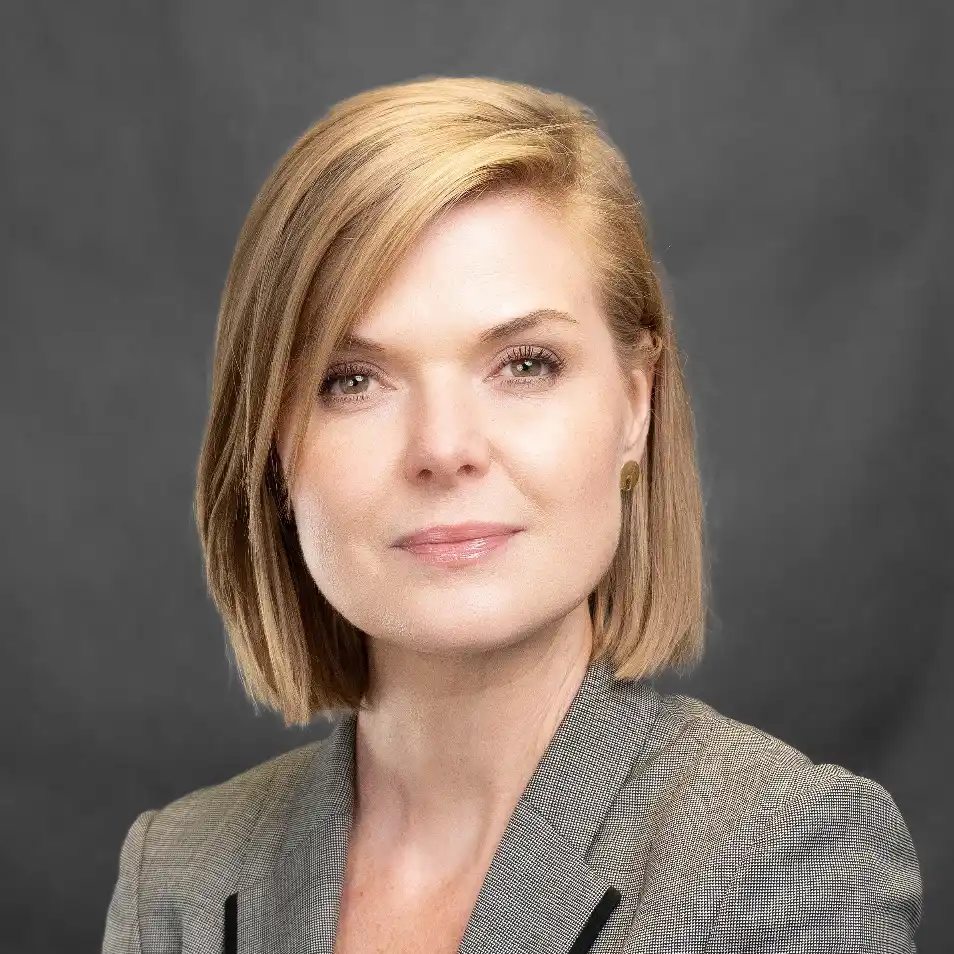
Professor Barbara Brodzińska-Mirowska
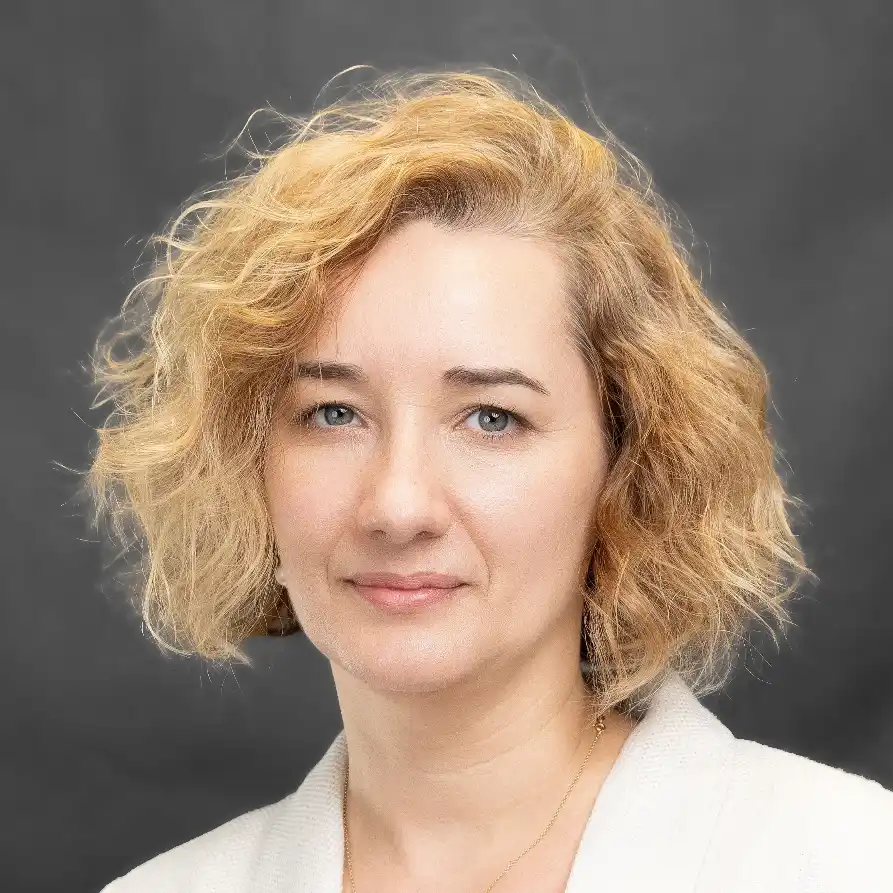
Dr Emila Moddelmog-Anweiler
Her career has combined research, teaching, and international collaboration at the Jagiellonian University, the University of Economics in Kraków, and the University of Silesia in Katowice. Between 2019 and 2022, she was a research assistant in the Horizon 2020 project POPREBEL – Populist rebellion against modernity in 21st-century Eastern Europe. She was also a researcher in the NCN OPUS project Religion in the Public Sphere in Central and Eastern Europe (2014–2016), which resulted in the co-edited volume Religion in the Public Sphere in Central and Eastern Europe (Berlin, 2022).
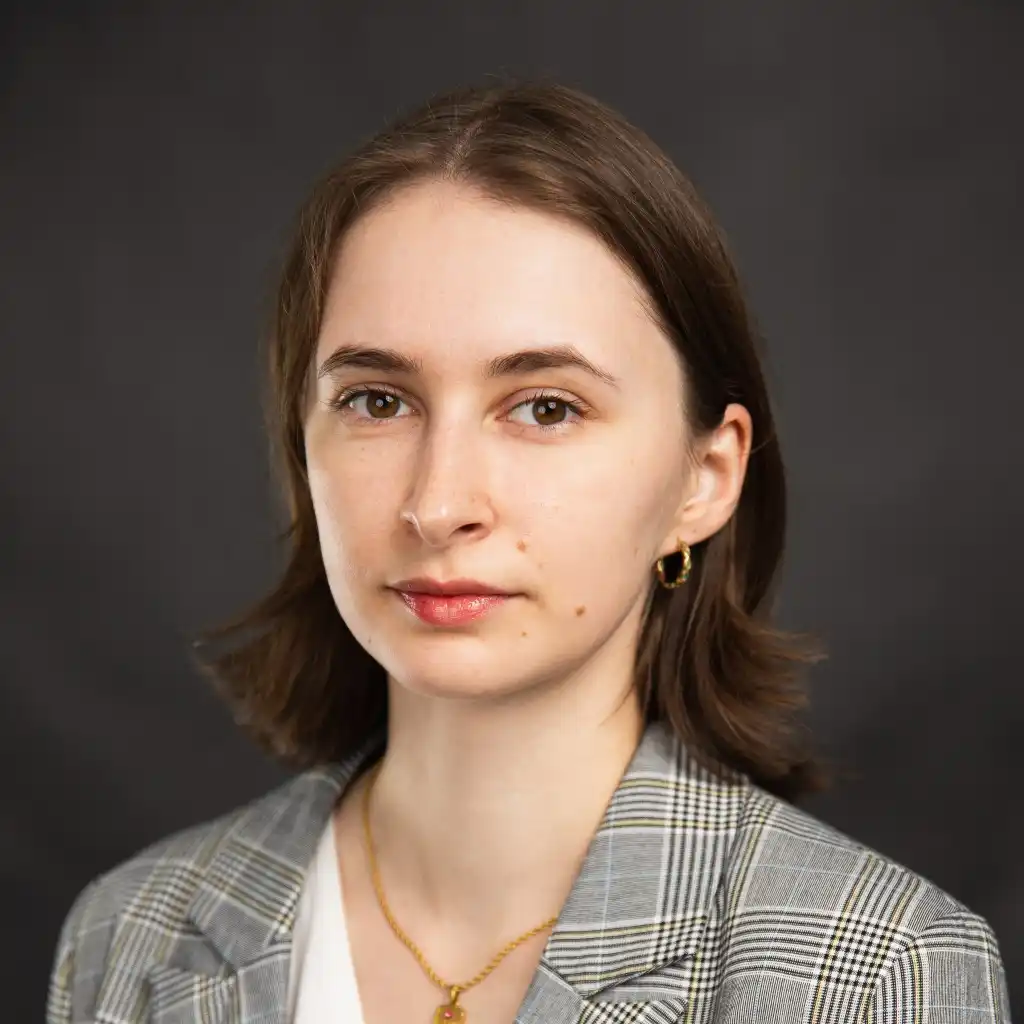
Magdalena Chowaniec
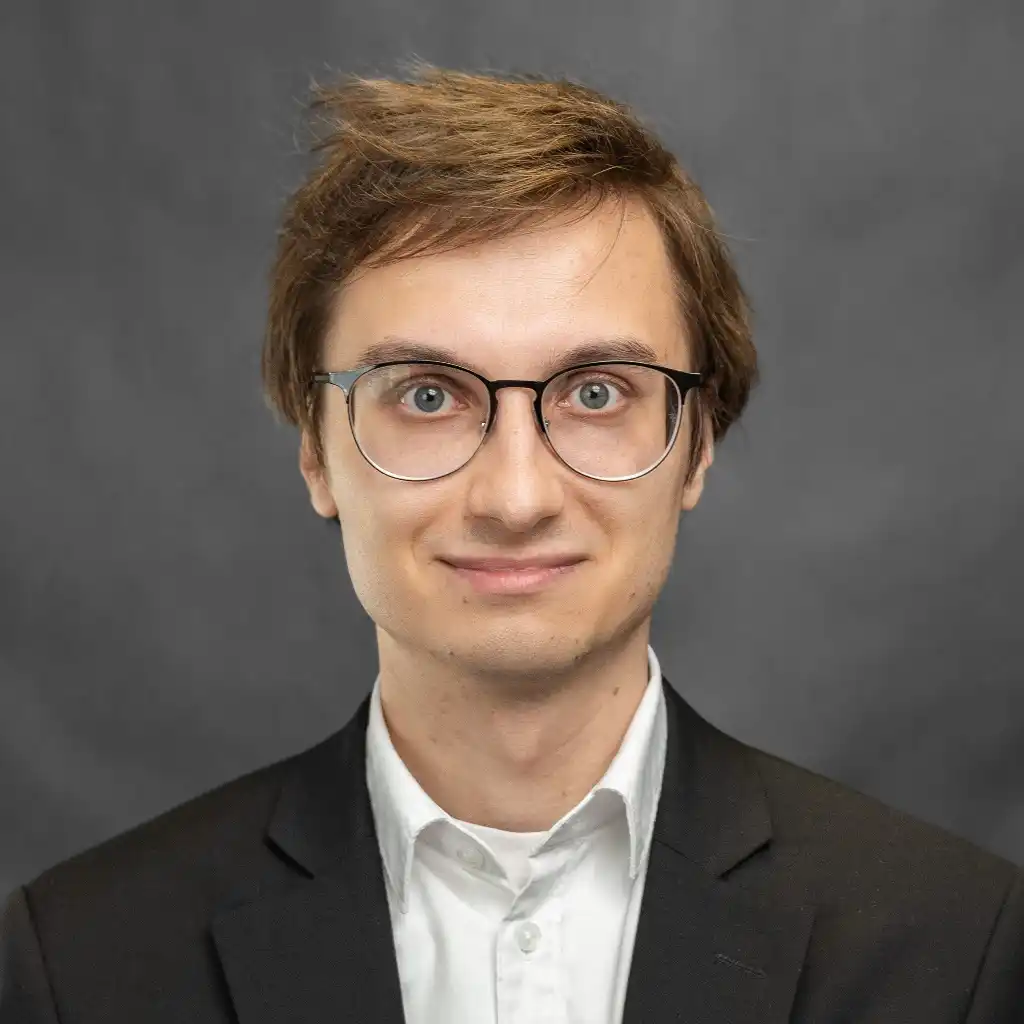
Michał Rams-Ługowski